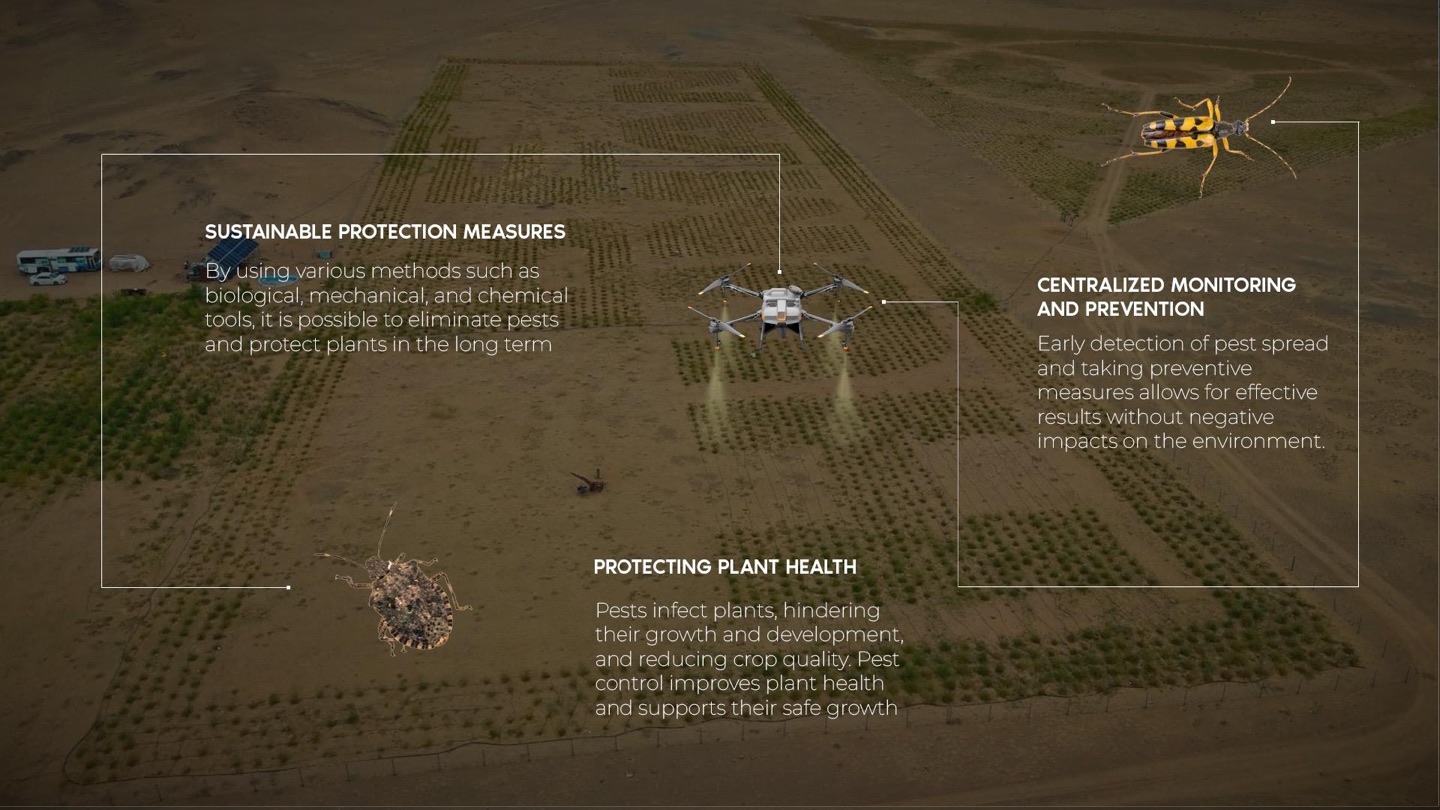
Survey & Design
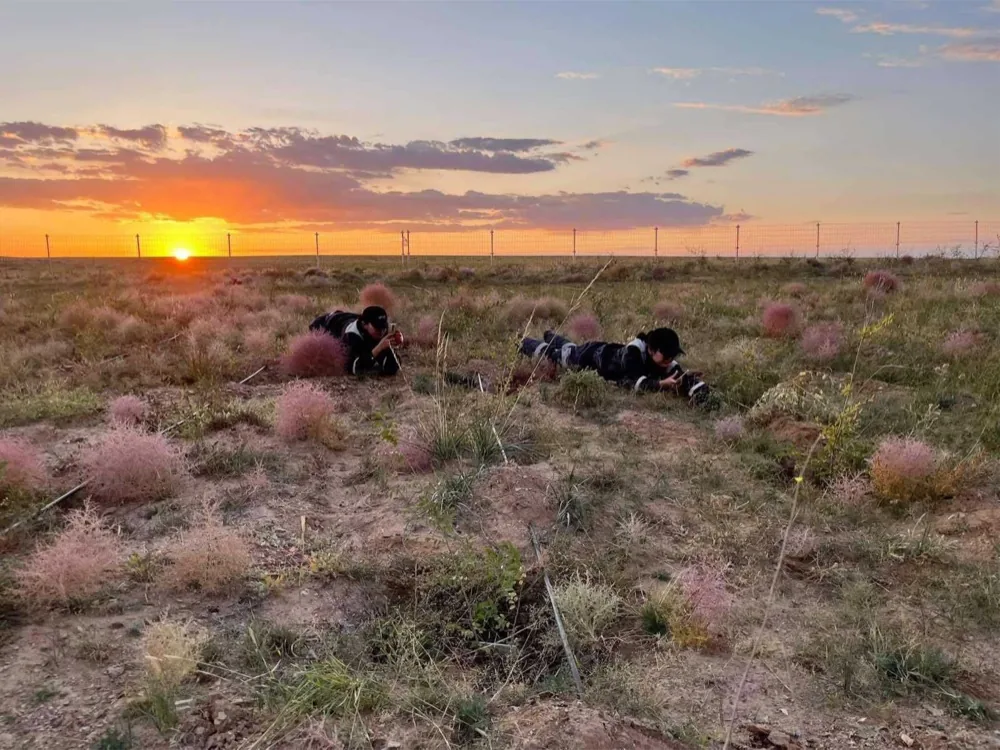
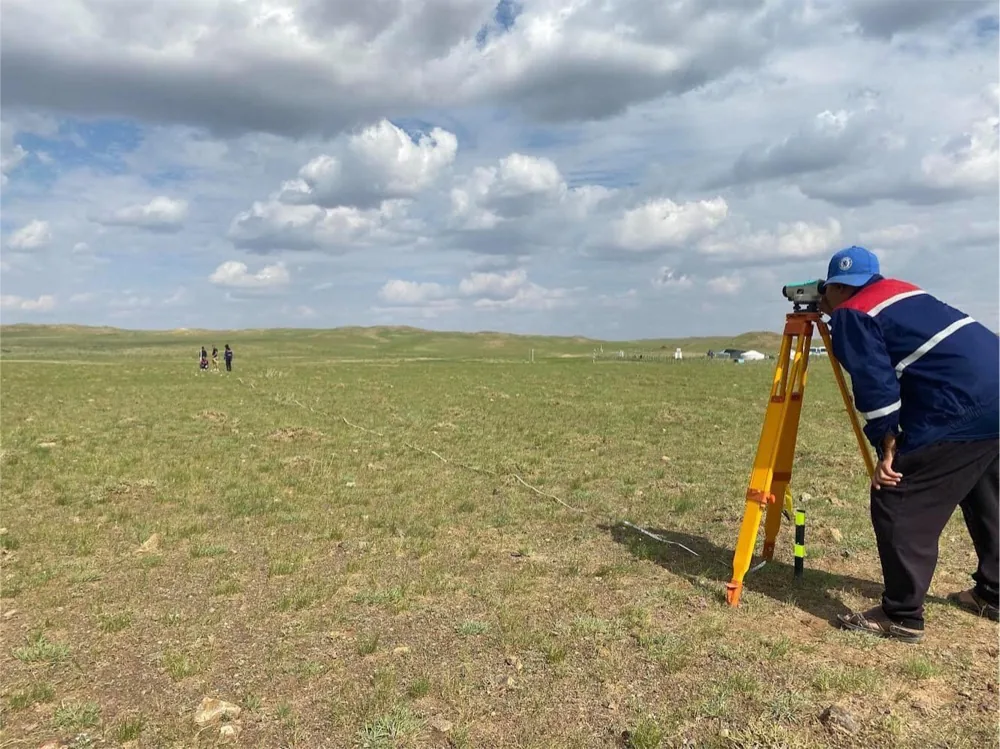
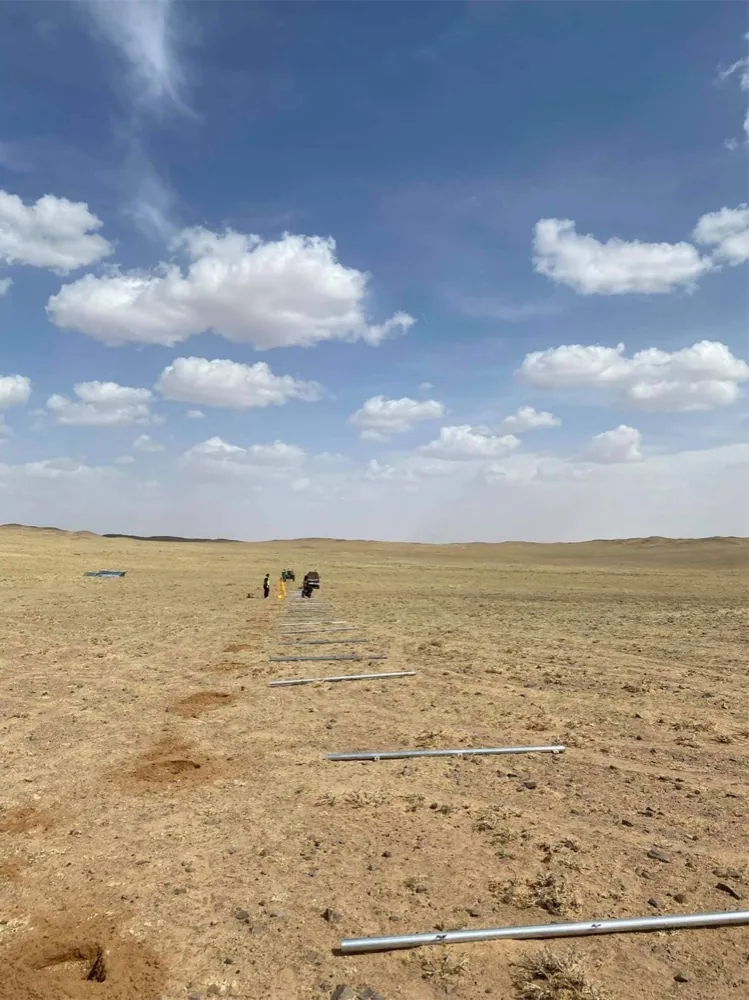
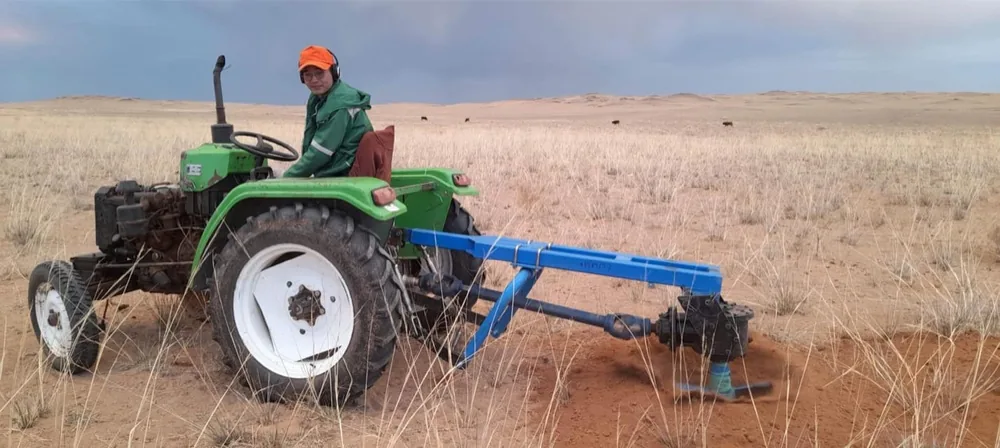
Comprehensive hydrological and soil assessments, precision layout plans, and organic soil remediation form the rigorous foundation prior to any physical intervention.
Land art here means trees planted in a deliberate shape, large enough to be read from the air. The shape is what brings attention and money to the ground; the trees are what hold it. Four works so far on severely desertified rangeland in Dornogovi — two grown in, two beginning in 2026 — each one fenced against livestock, irrigated, and counted every year for ten years. Each has a model of its own ground below: run it, and the years pass from bare sand to a closed canopy.
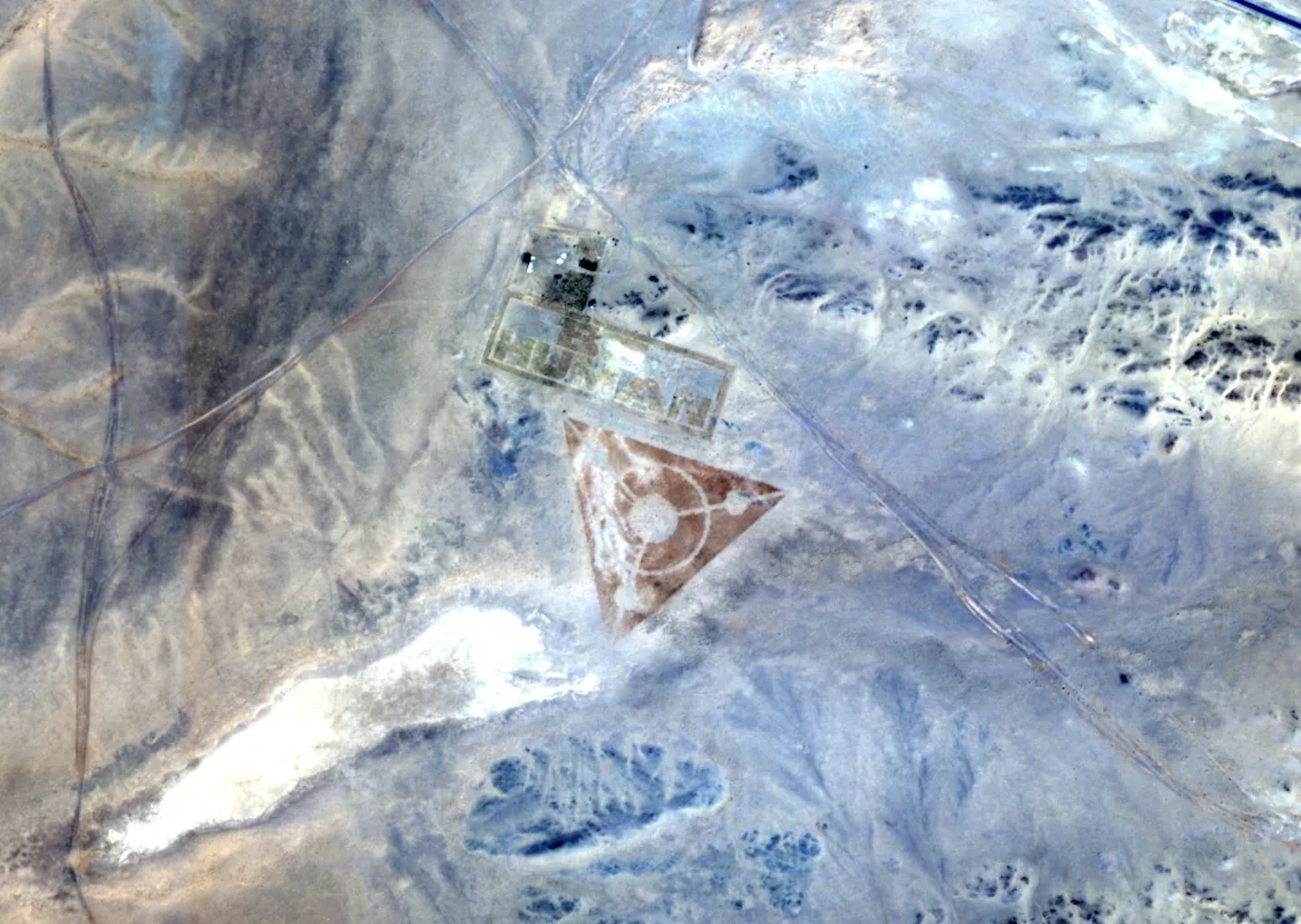
The inaugural project spans a 300 by 100-meter corridor where the living canopy forms a satellite-legible message, defining what it means to "be human" through the active stewardship of the earth.
This precise geometry, the central ring combined with the three corner nodes, creates a system of four interconnected circles. This layout symbolizes the four seasons and nomadic grassland management.
The third work, and the 2026–2032 programme. Fifty-four hexagonal cells set out by GPS on a fenced three-hectare site, 9,000 m² of it under planting. Cells run from 12 m² to 400 m², each with a fixed position, an identifier and a named steward. Pits are dug 1 m apart in both directions and take three seedlings each, so a cell states the trees it can actually hold. The build order is dependency-driven — water and power, enclosure, buildings, then planting in hardiness order — because on this ground the sequence, not the species list, decides survival.
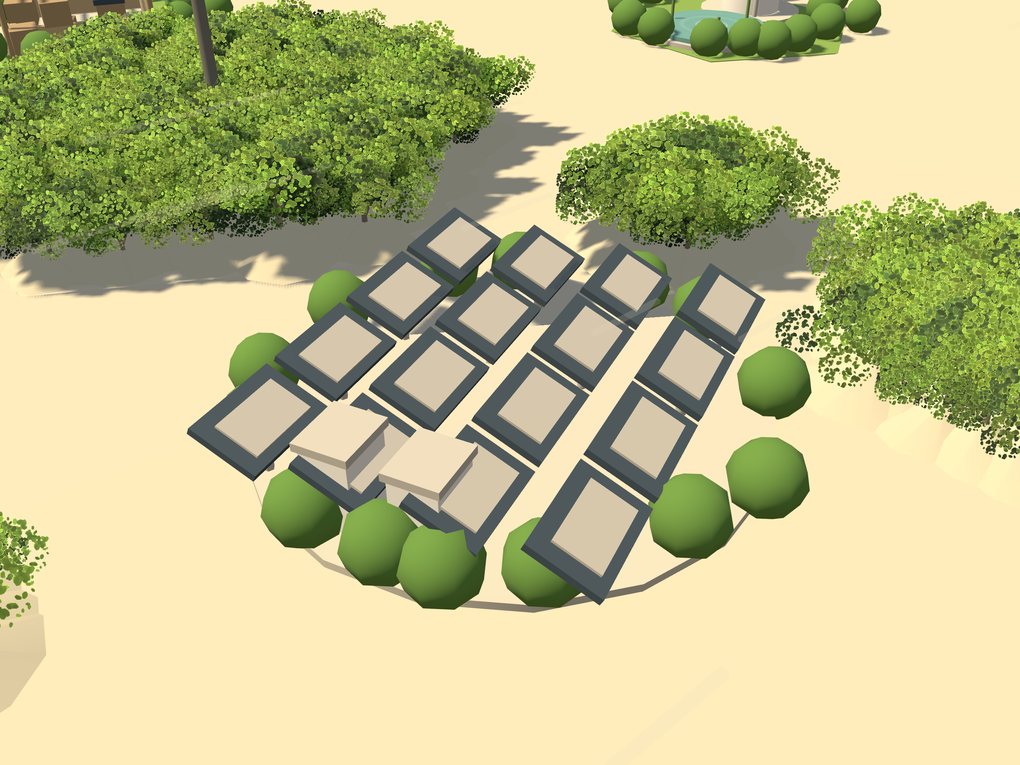
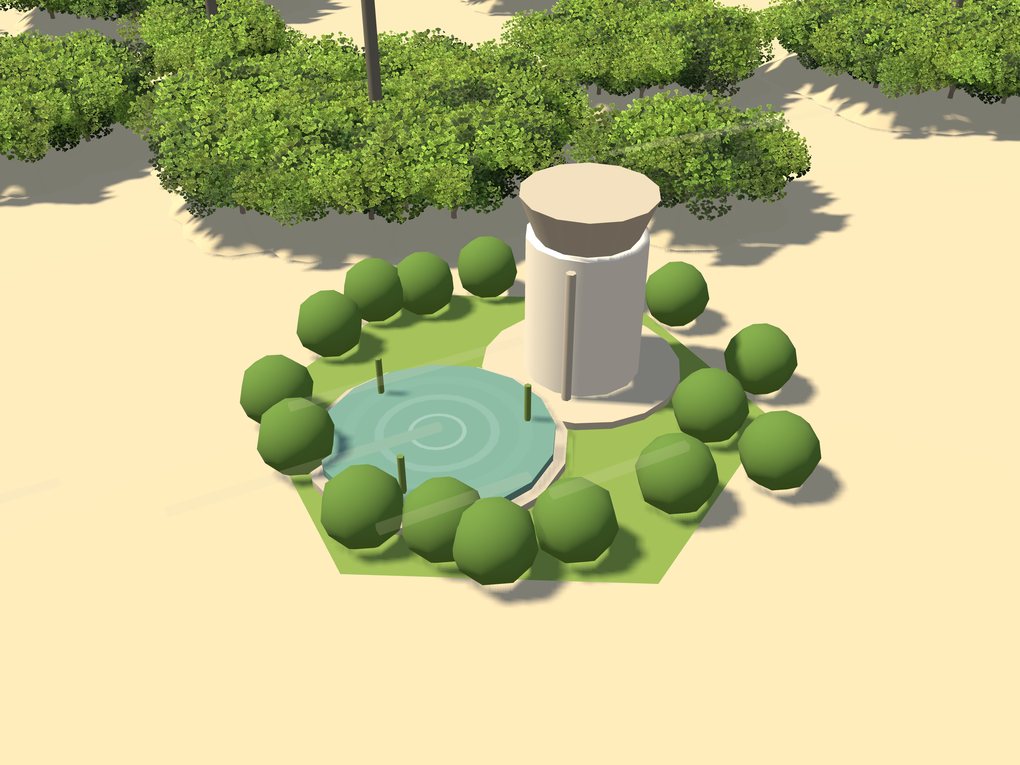
A cell is one hexagon of the fifty-four — a numbered patch of ground between 12 and 400 m², with a fixed position and a named steward. Most are planting and nothing else. Six carry what the site runs on — power, water, waste, research, pollinators and birds — and one is planted in elm for the people who took a tree at COP17. None of it is decoration: each one answers a constraint this ground imposes, and the specification below says which. These are views of the same 3D model as the scene above, taken one cell at a time, because at site scale every cell is the same patch of green. Tap a marker for the item and what it is for, or enlarge any picture to see it whole.
This cell is closed. It is Jack's Coffee's own commission and their own product, so trees in it are not sold here. They come with a specially marked cup: Jack's is serving at COP17 in Ulaanbaatar from 17 to 28 August, and every marked coffee plants one elm in this cell, named for the buyer and reported to them once a year.
See it at Jack's Coffee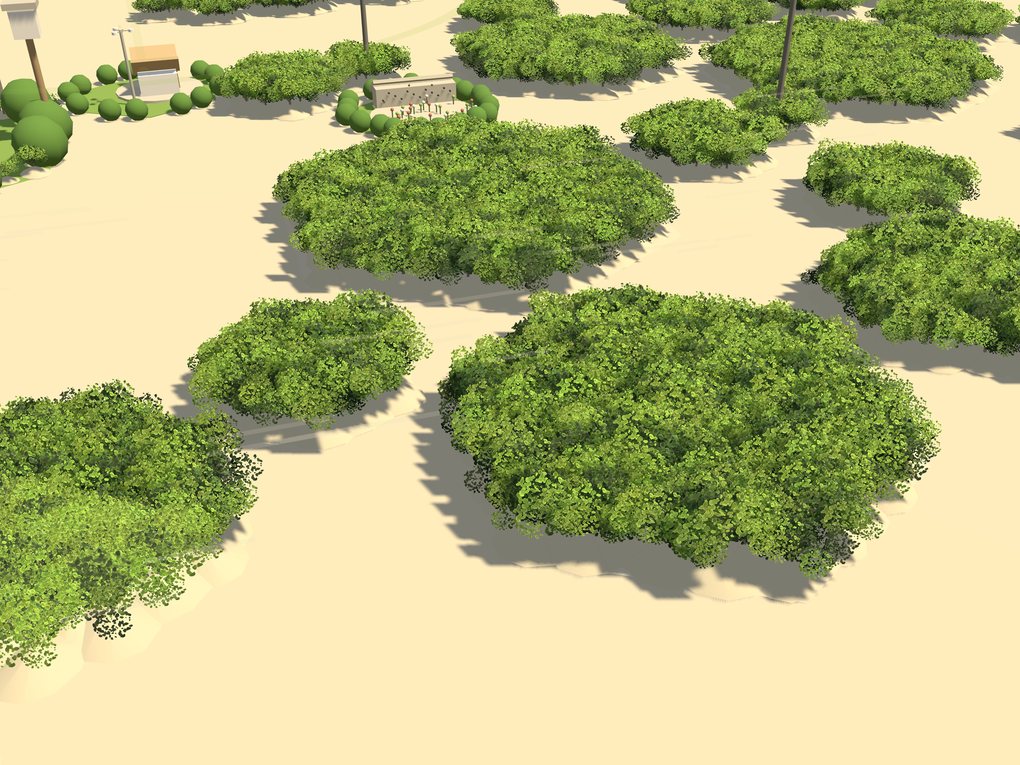
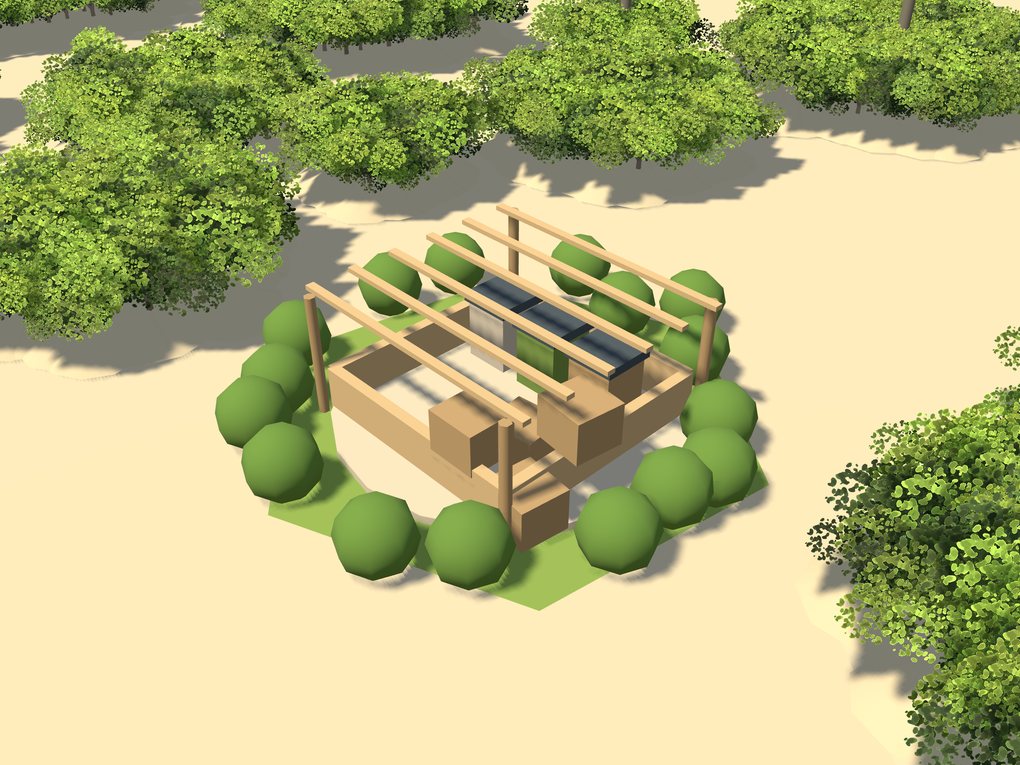
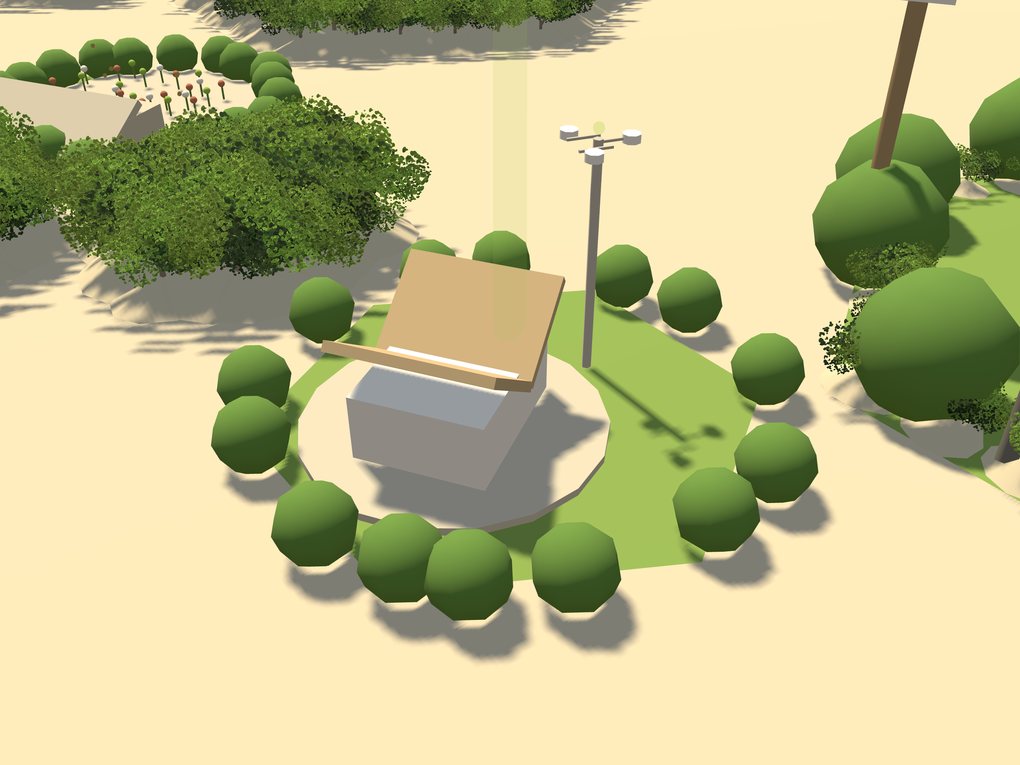
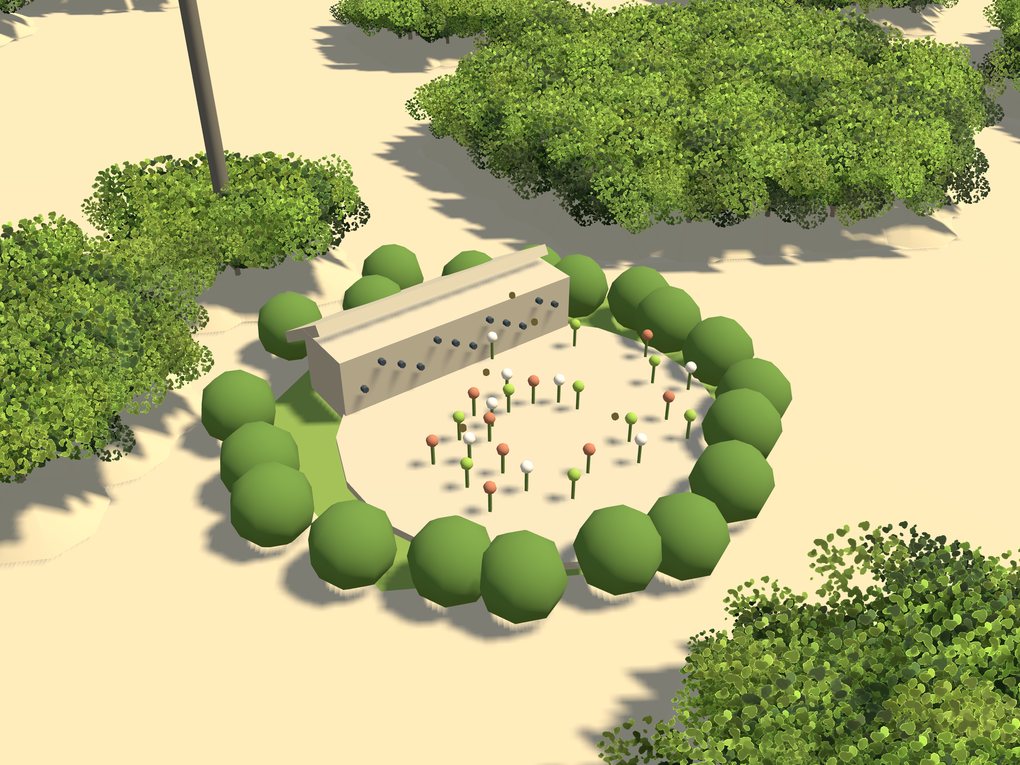
Tap any cell in the scene above to see its code, size and status — then take a cell of your own on the live map.
Claim a cellOne Coffee, One Tree. Every specially marked cup sold at COP17 plants one elm in this cell. The buyer names it, and it is irrigated and tended for ten years, with the year's growth reported to them by email.
Buy now — one coffee, one tree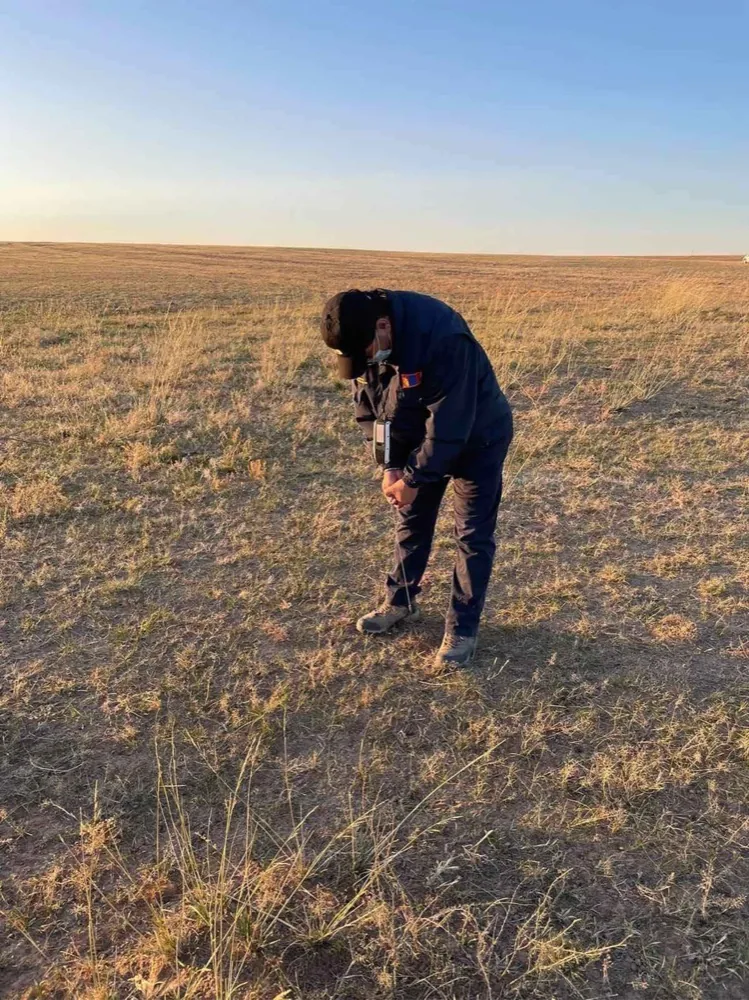
Comprehensive hydrological and soil assessments, precision layout plans, and organic soil remediation form the rigorous foundation prior to any physical intervention.
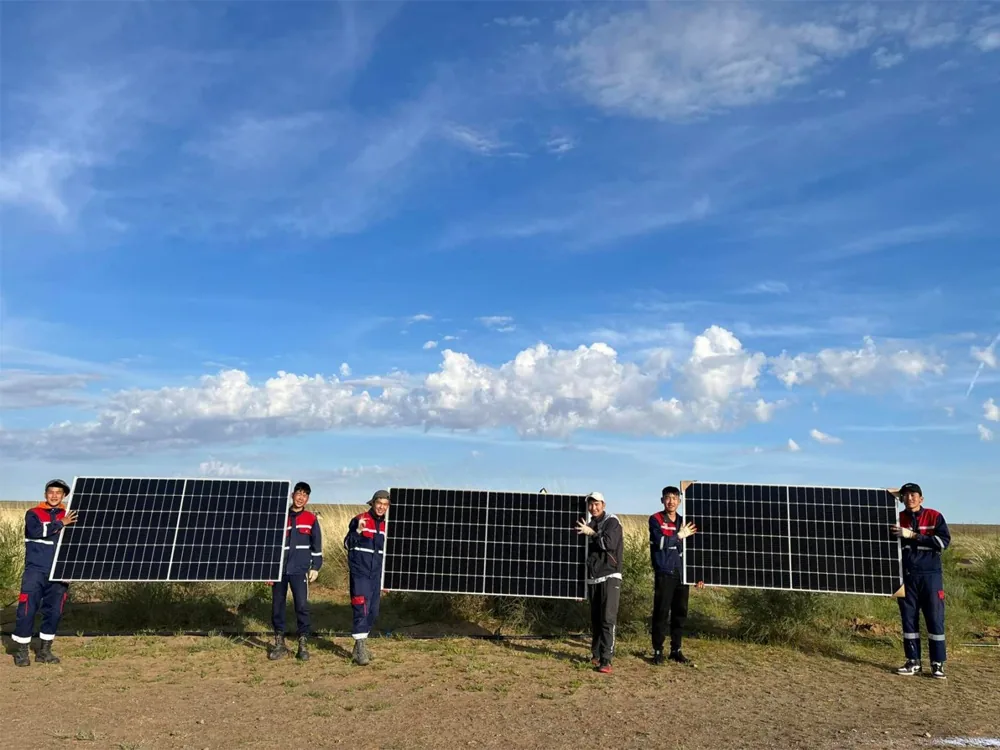
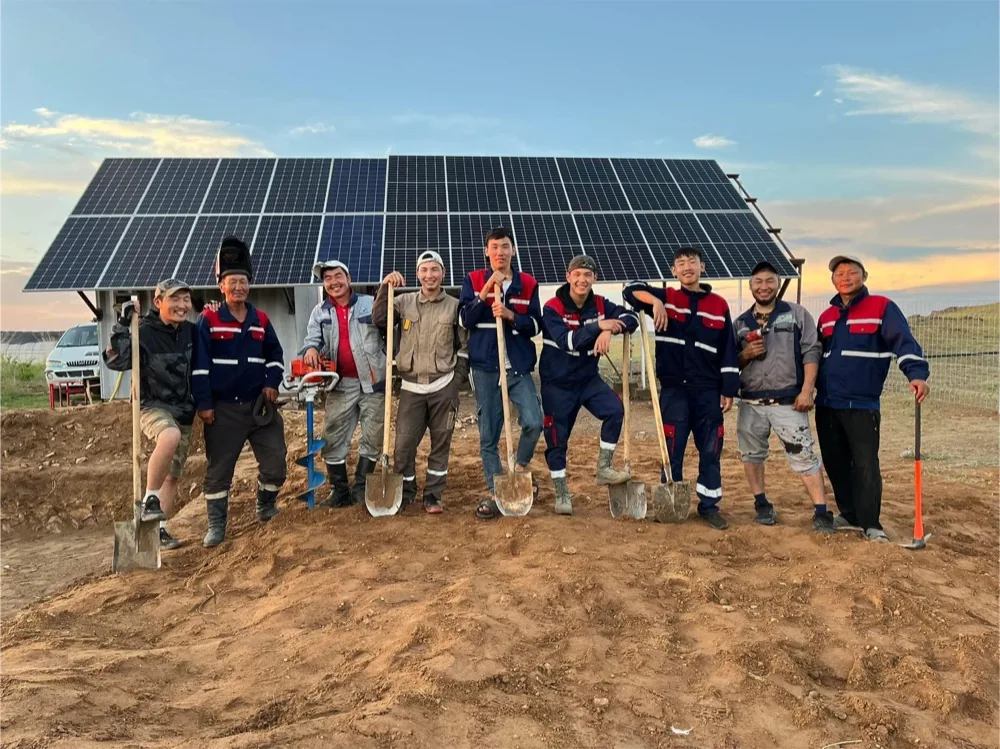
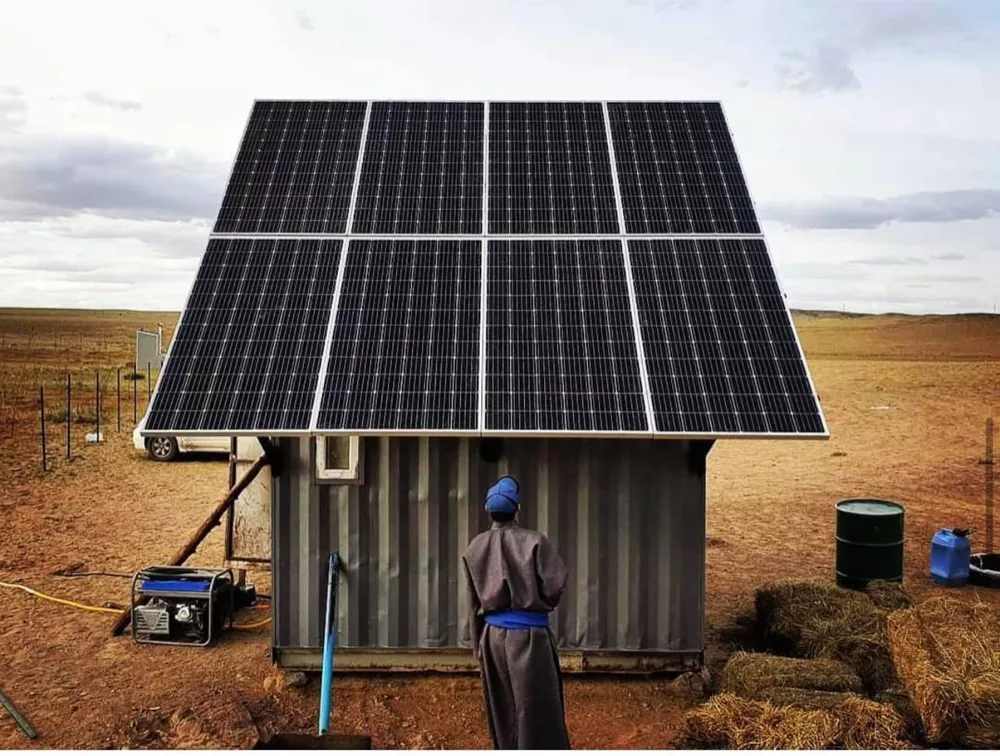
The integration of groundwater extraction, irrigation networks, renewable power, soil conditioning, and secure fencing creates the essential life-support system that sustains the entire ecosystem.
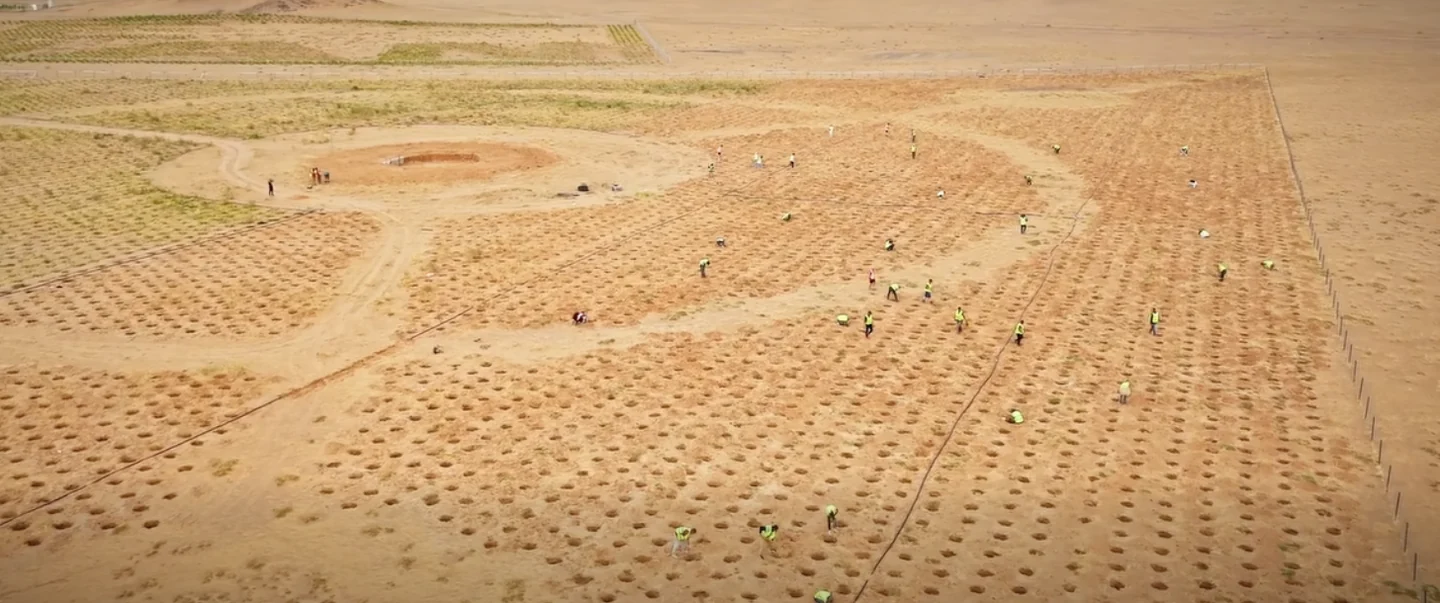
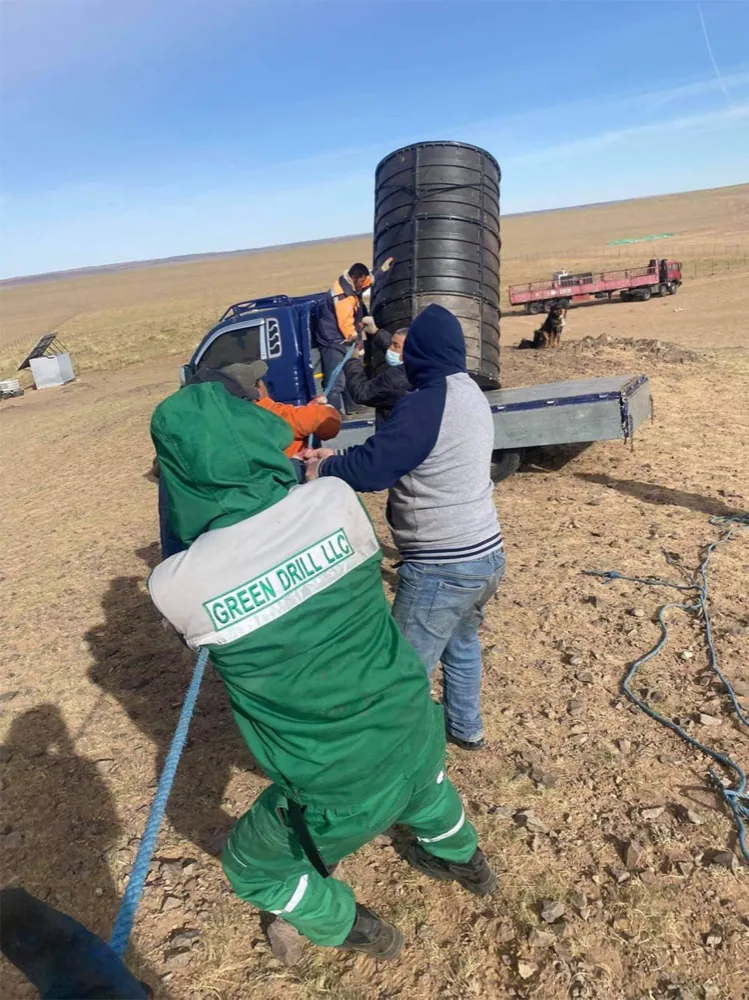
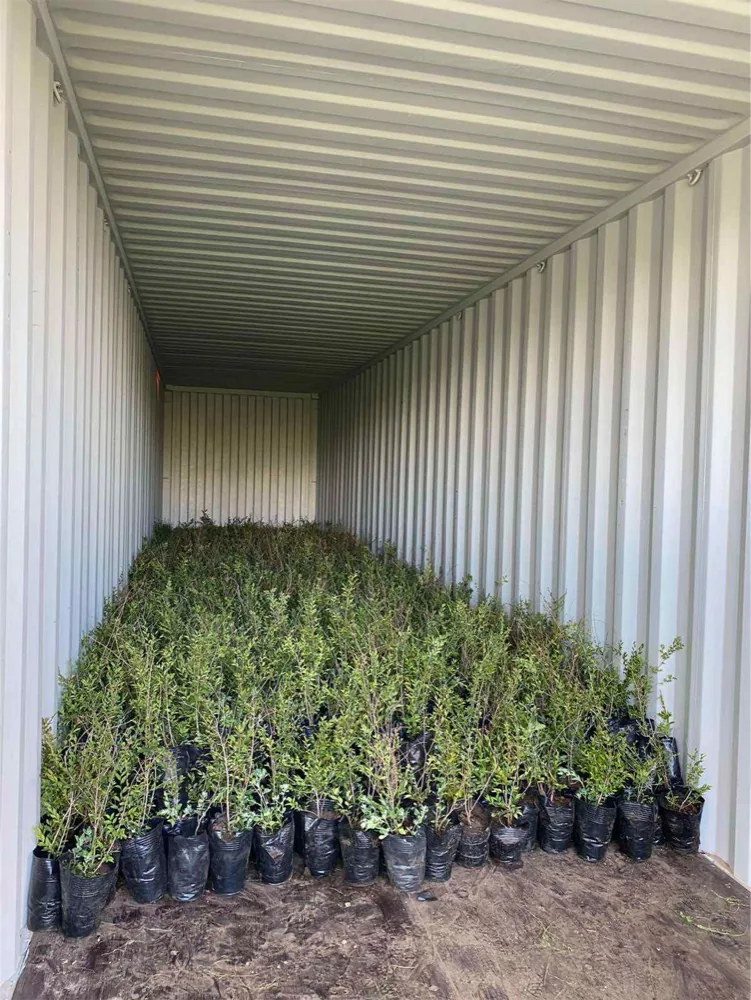
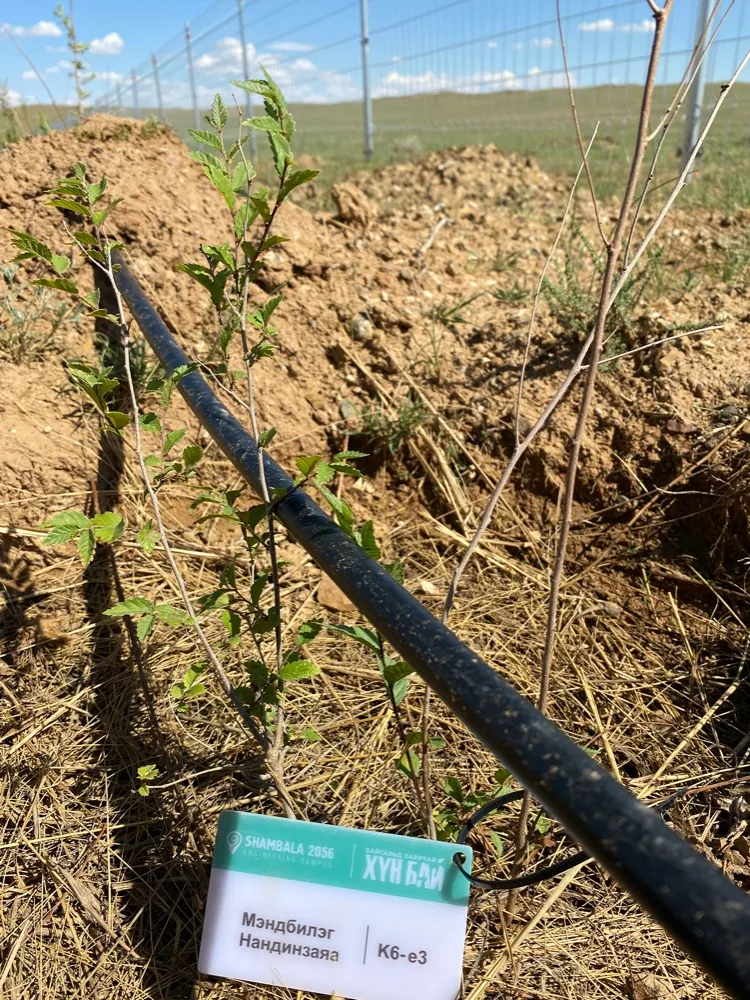
Following the precise excavation of planting pits, the saplings are mobilized, biologically inoculated, installed, and immediately integrated into a comprehensive irrigation network.
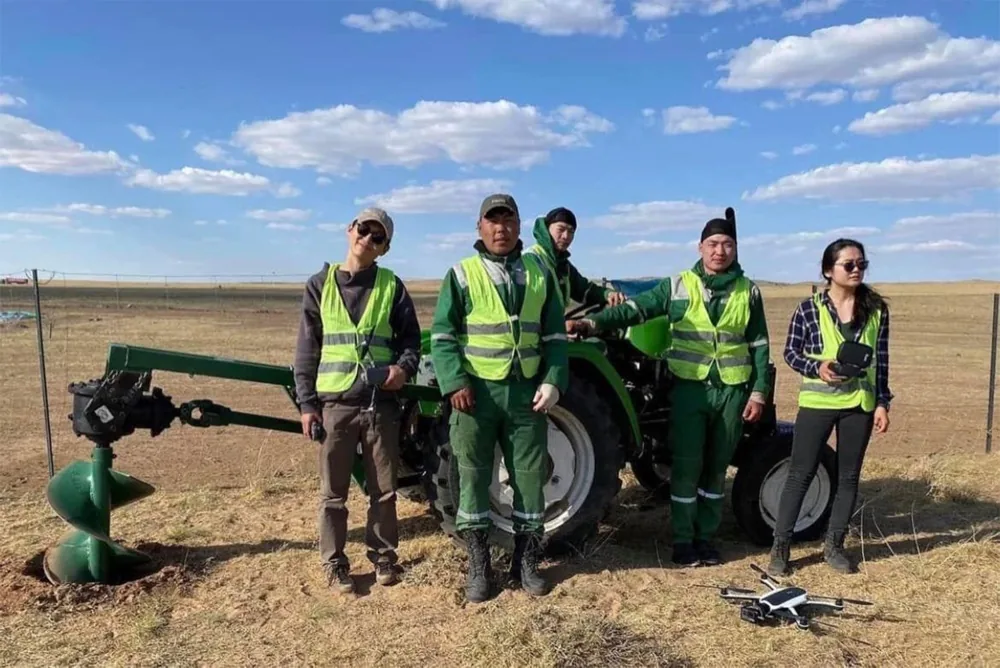
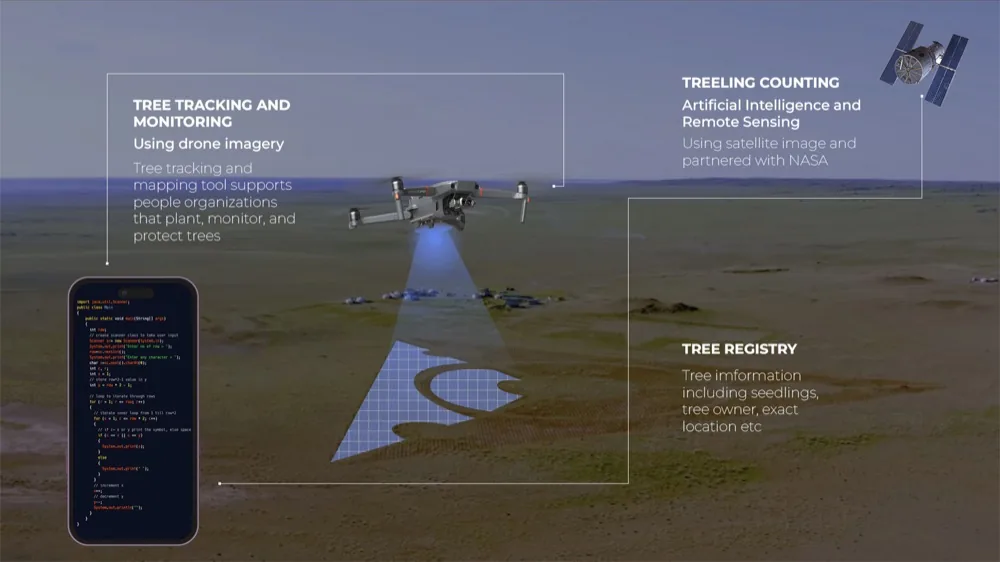
After the initial planting phase, automated control systems, integrated biosecurity measures, and continuous satellite monitoring ensure the sustained viability of the entire site.
The site’s biomass is formally assessed every five years by independent spatial data analysts—most recently by Martensite Analytica for the 2019–2024 phase using Sentinel-2 and MODIS. Between these milestone assessments, we leverage Google Earth Engine to capture precise, year-over-year ecological data.
2019–2024 assessed by Martensite Analytica (Sentinel-2, MODIS) · 2025–2026 from Google Earth Engine · project site against an adjacent unrestored control. 2026 * is a part year, to August.
| Year | NDVI project | NDVI control | EVI project | EVI control | NDWI project | NDWI control | FAPAR project | FAPAR control |
|---|---|---|---|---|---|---|---|---|
| 2019 | 0.1394 | 0.1307 | 0.1052 | 0.0988 | -0.2748 | -0.2662 | 0.1758 | 0.1649 |
| 2020 | 0.1753 | 0.1417 | 0.1252 | 0.1066 | -0.3013 | -0.2652 | 0.2212 | 0.1787 |
| 2021 | 0.1984 | 0.1357 | 0.1476 | 0.1117 | -0.3108 | -0.2522 | 0.2503 | 0.1712 |
| 2022 | 0.1334 | 0.1129 | 0.1004 | 0.0851 | -0.2778 | -0.2560 | 0.1682 | 0.1424 |
| 2023 | 0.1419 | 0.1017 | 0.1076 | 0.0808 | -0.2829 | -0.2482 | 0.1790 | 0.1284 |
| 2024 | 0.2684 | 0.1941 | 0.1864 | 0.1473 | -0.3629 | -0.3124 | 0.3386 | 0.2448 |
| 2025 | 0.2409 | 0.1674 | 0.1594 | 0.1197 | -0.3568 | -0.2892 | 0.3039 | 0.2112 |
| 2026 | 0.1693 | 0.1262 | 0.1223 | 0.0942 | -0.3062 | -0.2568 | 0.2136 | 0.1592 |
Sentinel-2 · Martensite Analytica, 2019–2024
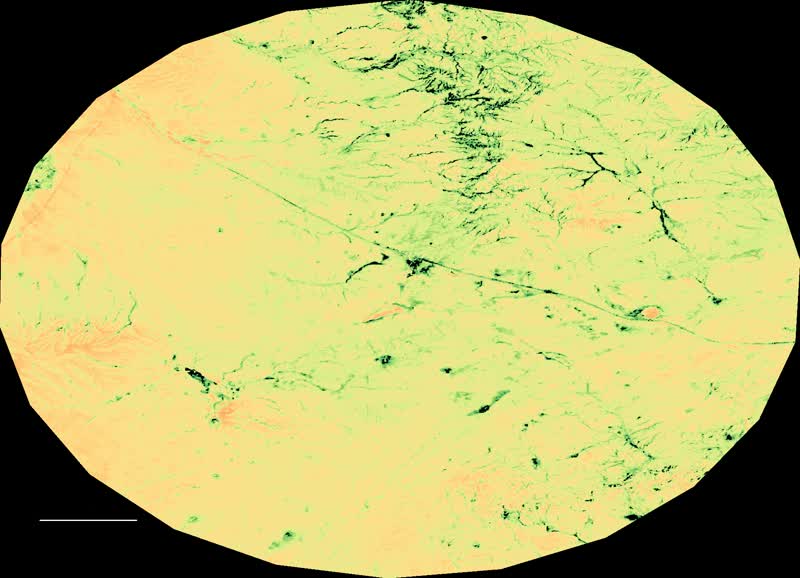
EVI · Martensite Analytica, 2019–2024
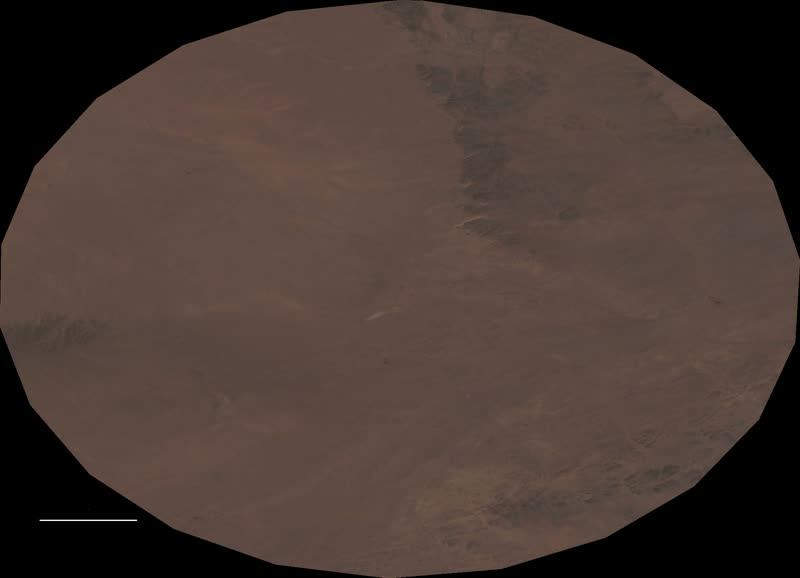
Sentinel-2 Enhanced · Martensite Analytica, 2019–2024
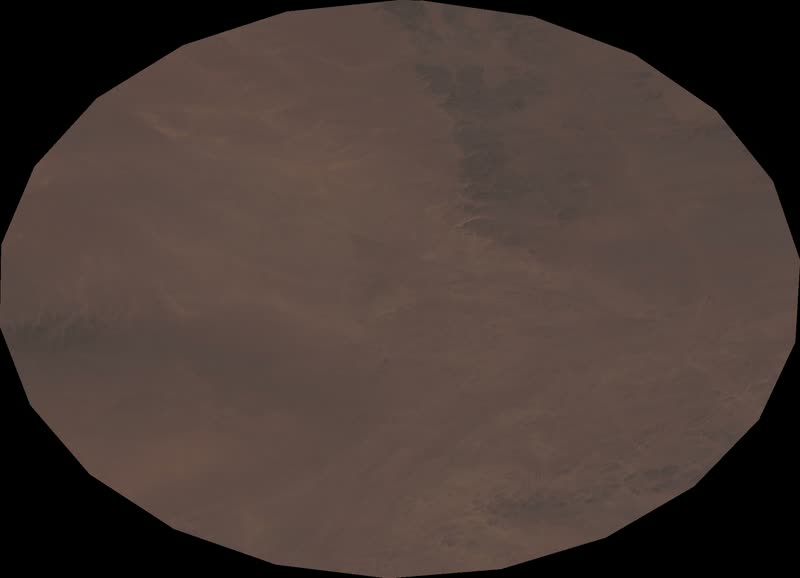
Sentinel-2 Enhanced · Martensite Analytica, 2019–2024
Two tools turn eight years of satellite measurement over this ground into sound.
Every value you hear is measured. Sentinel-2 has passed over this ground more than 460 times since 2019, and the monthly means of three indices drive the sound directly: NDVI (vegetation health) sets the register, EVI (vegetation density) the note density, FAPAR (light absorbed by the canopy) the brightness, and the year's herbaceous carbon the depth of the bass. It is written as a piece, not a readout: 66 beats a minute, one six-bar phrase per year, and the chord of each phrase is chosen by that year's lead over the untouched control ground beside it. Those eight measured margins spell vi – IV – I – IV – V – I – I – V in D major — unresolved in 2019, home by 2021, falling back for the dry 2022, twice at the tonic across 2024 and 2025, and leaving on the dominant because 2026 is only counted to August. Nobody chose that progression; the measurements did. Just under three minutes, then it loops. Direct plant measurement — bioelectric potential, sap flow — begins when the on-site laboratory is built in 2028.
Within each phrase the melody follows the vegetation curve: the note rises with NDVI, so the August peak of 2024 — 0.4507, the highest reading in the record — is the top note of the piece, and every December falls back to the bass and the wind. A bell opens each year. Note choice runs on a three-month rolling mean and moves by steps within one octave, because a satellite reading can jump by a third of its range between two passes and a line that jumps with it is not a melody. The shape is the measurement; only the jitter is smoothed. The readouts above always show the measured monthly figures, unsmoothed.
The same eight years as a fixed piece, a little over a minute: two bars each, with an opening bar and a closing cadence. NDVI sets the melody, EVI how densely the bar is filled, the year's herbaceous carbon the bass, bare ground the percussion. It reads the same chord chart as the piece above, so the dry 2022 sits on the subdominant while 2024 and 2025 land twice on the tonic — and those two years, the strongest in the record, are also the busiest bars. The arpeggio climbs in the years the margin over the control widened and falls in the years it narrowed, so the direction of travel is audible. It ends on the dominant, unresolved, because the record ends in August 2026.
Restoration on this site is allocated and reported cell by cell. Each of the 54 cells has a fixed position and an identifier, and carries its sponsor's name once taken; growth is reported once a year for the sponsor's own cell, so a contribution can be traced to a located area of ground rather than to a site average. Sponsorship confers stewardship and recognition — not title to land.
Partners